Introductory Guide to Angling Rods: What You Need to Know
Selecting the right angling pole can be difficult for novices. Various elements affect the choice, such as fishing environment and intended catch. Understanding the differences in rod materials, lengths, and actions is crucial for success. Additionally, upkeep plays a important role in ensuring longevity. Each decision can affect the overall angling adventure. What specific features should one emphasize to enhance performance?
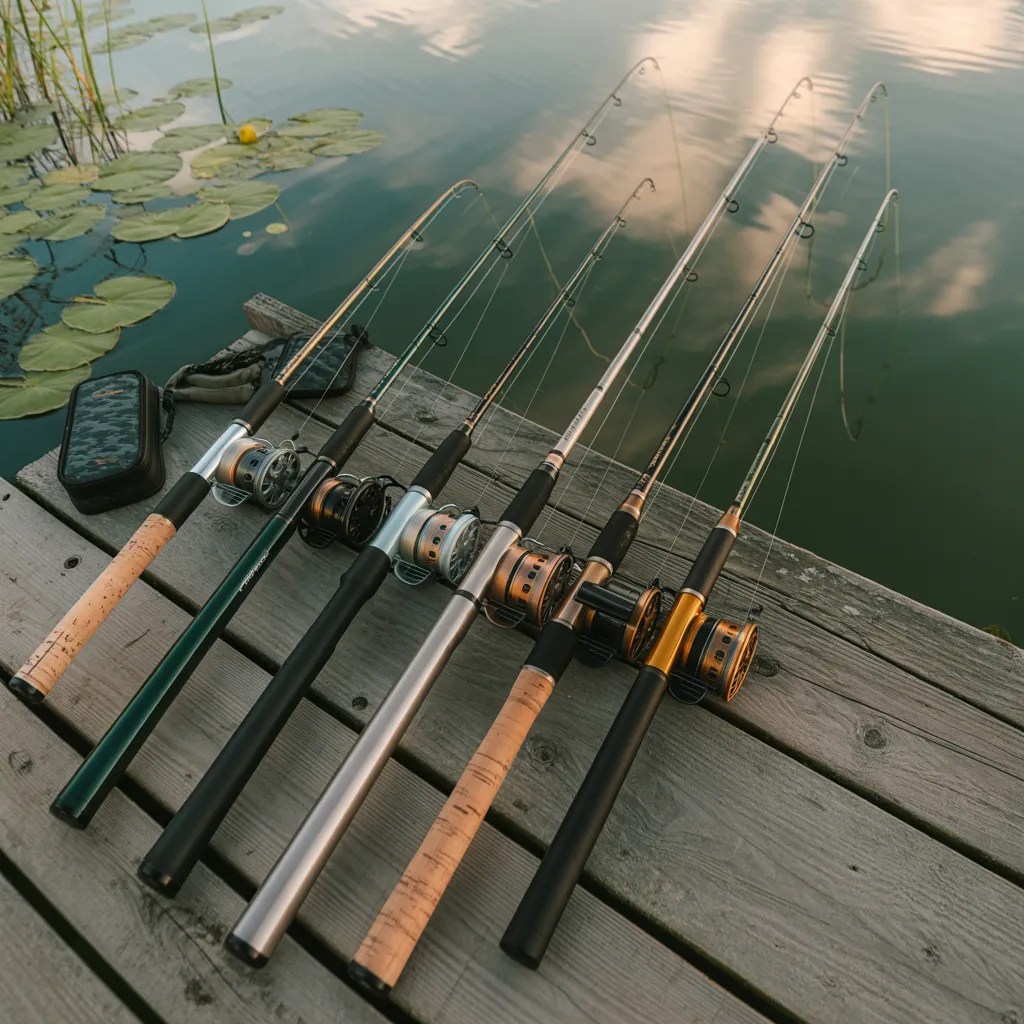
What Type of Rod Do You Require?
When selecting a fishing rod, what criteria should one keep in mind? The category of fishing rod required depends largely on the fishing conditions and targeted species. For freshwater fishing, more compact rods are usually appropriate, while extended rods are beneficial for surf casting in saltwater. In addition, rod action is a critical role; fast action rods offer sensitivity, which makes them ideal for quick strikes, while slow action rods provide better control for larger fish.
Another factor is the rod's strength, which shows its strength and ability to manage different fish weights. Beginners may discover medium power rods flexible for multiple situations. The length of the rod also impacts casting distance and precision, with longer rods typically allowing for greater reach. Ultimately, understanding one's fishing style and the particular conditions will direct the choice of the appropriate fishing rod, guaranteeing a more successful and pleasant fishing experience.
Finding the suitable Fishing Rod Material
Choosing the appropriate angling rod material significantly impacts durability and performance. The most common substances employed in angling rods are fiberglass, graphite, and composite blends. Fiberglass rods are celebrated for their toughness and adaptability, making them suitable for beginners and different angling conditions. They usually weigh more but are durable and protected against breaking. Graphite rods, by contrast, are lightweight and more sensitive, enabling better feel and control. This sensitivity renders them fitting for experienced anglers targeting certain species. Composite rods combine both materials, providing an balance of strength and sensitivity, drawing to many kinds of anglers. In the final analysis, the decision regarding material should match with the angler's skill level, approach, and target species, ensuring an outstanding fishing experience. Understanding these distinctions is critical for picking the finest rod to enhance fishing success.
Selecting the Most Suitable Rod Length
What approach should you use to identify the ideal fishing rod length? Selecting the appropriate length is vital for maximizing fishing results. Generally, rod lengths range from 5 to 12 feet, with factors such as fishing style, target species, and fishing environment influencing the choice.
Shorter rods, generally around 5 to 7 feet, offer enhanced precision and are perfect for close-quarter fishing, such as in small streams or for fish like panfish. Mid-sized rods, ranging from 7 to 9 feet, deliver versatility, appropriate for both freshwater and saltwater fishing. Longer rods, exceeding 9 feet, are advantageous for casting distance and reaching larger areas, making them perfect for surf angling or when targeting larger fish.
Ultimately, the finest rod length matches the angler's unique needs and preferences, harmonizing ease of use with fishing objectives. Testing multiple sizes can help anglers pinpoint their ideal match.
Grasping Fishing Rod Movement and Its Importance
Fishing rod response describes how much and where a rod flexes when pressure is exerted. Different kinds of rod response can significantly impact casting distance and precision, affecting the overall fishing adventure. Understanding these differences is crucial for fishermen seeking to optimize their results on the water.
Varieties of Rod Performance
Grasping rod action is crucial for fishing enthusiasts trying to boost their angling performance, as it influences the responsiveness and sensitivity of the rod. Rod action can be categorized into three primary types: fast, medium, and slow. Fast action rods bend at the tip, offering rapid responsiveness and enhanced sensitivity, which is ideal for techniques needing careful control. Medium action rods offer a consistent bend throughout the upper two-thirds, making them versatile for various fishing styles. Slow action rods bend along their entire length, enabling for more flex and energy absorption, beneficial for lighter presentations and novice anglers. Every rod action style plays a vital role in affecting the effectiveness of the fishing technique used.
Impact on Casting Distance
The choice of rod action greatly impacts casting distance, an important aspect for anglers aiming for distant spots with precision. Typically, faster action rods bend chiefly at the tip, allowing for quicker loading during casts. This design lets anglers cover more distance with less effort, making them ideal for casting lightweight lures. In contrast, slower action rods bend throughout the entire length, providing a more gradual loading process that can improve accuracy but may restrict distance. Understanding these subtleties helps anglers select the appropriate rod based on their fishing style and target location. Ultimately, the right rod action can considerably improve an angler's ability to deliver bait efficiently across various water conditions, influencing overall fishing success.
Important Aspects to Evaluate When Choosing a Angling Rod
When selecting a fishing rod, several important characteristics play an important role in performance. Rod length, action types, and material strength are critical factors that can greatly influence the fishing experience. Understanding these elements helps anglers make informed decisions tailored to their distinct preferences.
How Rod Length Matters
Picking the optimal rod length is important for enhancing fishing success. The length of a fishing rod materially affects casting distance, accuracy, and control. Shorter rods, typically ranging from 5 to 6 feet, are perfect for close-range fishing, giving better maneuverability. Conversely, longer rods, extending from 7 to 10 feet, excel at casting distance, making them appropriate for larger bodies of water and targeting distant fish. Additionally, rod length affects the leverage needed to fight larger catches. Anglers must also consider their fishing environment; for instance, longer rods may be advantageous in open waters, while shorter rods can navigate tight spaces effectively. Ultimately, picking the right rod length is vital for maximizing one's fishing experience.
Action Types Described
Knowing rod response is vital for boosting fishing performance, supporting the importance of rod extent. Rod response denotes how much of the rod curves when force is exerted. It is classified into three main types: fast, medium, and slow. Fast action rods curve primarily at the tip, providing quick reaction and responsiveness, ideal for techniques demanding exactness. Medium action rods provide a more flexible flex, appropriate for various uses and offering a balance between sensitivity and power. Slow action rods bend closer to the handle, delivering a softer feel, useful for lighter lures and live bait. Selecting the right action type helps anglers match their technique and target species, ultimately boosting their overall fishing experience.
Material Power Evaluation
Material toughness plays a vital role in the performance and durability of fishing rods. Common materials include fiberglass, graphite, and carbon fiber, each offering different advantages. Fiberglass rods are known for their suppleness and durability, making them ideal for beginners and rough conditions. Graphite rods, on the other hand, provide tactile feedback and light construction, which benefits experienced anglers seeking precision. Carbon fiber rods combine strength and lightness, offering advanced sensitivity and responsiveness, but often at a higher cost. When comparing materials, anglers should consider their angling method, target species, and budget. Ultimately, the right choice copyrights on balancing strength, sensitivity, and weight to match individual preferences and fishing conditions, ensuring an remarkable angling experience.
Strategies for Looking after Your Fishing Rod
Keeping a fishing rod in good condition is crucial for ensuring optimal performance and longevity. Frequent maintenance is vital; anglers must rinse their rods with fresh water after every use, particularly after saltwater fishing. This helps prevent rust and deterioration to guides and reel seats.
Checking the rod for signs of wear or damage is just as essential. Fishermen ought to inspect for cracks, breaks, or loose parts, resolving any concerns quickly to prevent additional wear.
Proper storage can also increase a rod's longevity. Keeping rods in a cool, dry place and using rod tubes or racks prevents accidental wear. Additionally, lubricating reel parts and confirming line is correctly spooled can boost overall function.
Finally, using the right tackle and technique tailored to specific fishing conditions can avoid excess stress on the rod, enhancing its durability. By following these maintenance tips, anglers can ensure their fishing rods stay in optimal shape for years to come.
Regular Questions Asked Regularly
How Much Money Ought I Spend on My First Fishing Rod?
A starting angler should contemplate spending between $30 to $100 on their first fishing rod. This range offers a mix of solid quality and fair pricing, permitting a pleasant fishing adventure without burdensome financial investment.
Can I Use a Fishing Rod for Different Types of Fishing?
Yes, a fishing rod can be used for various kinds of fishing. However, its performance may differ based on the rod's design and specifications, making it essential to select the appropriate rod for specific fishing methods.
What Serves as the Finest Brand for Beginner Fishing Rods?
Numerous brands are recommended for beginner fishing rods, including Ugly Stik, Shimano, and Abu Garcia. These manufacturers provide long-lasting, flexible choices that provide good value, rendering them ideal for new anglers to the sport.
How Routine Should Replacement of My Fishing Rod Be?
Fishing rods should generally be replaced every 3 to 5 years, depending on usage and wear. Regular checks for learn here cracks, guides, and reel seats can help determine if a replacement is needed sooner.
Can You Find Fishing Rods Designed Especially for Children?
Yes, there are fishing poles specifically designed for kids. These poles are shorter, more lightweight, and often feature kid-friendly characteristics, making it easier for junior fishermen to manage and enjoy their fishing experience.